Social Skills Melbourne
Evidence Based Social Skills Groups
for Neurodiverse Children
Facilitated by Clinical Psychologists
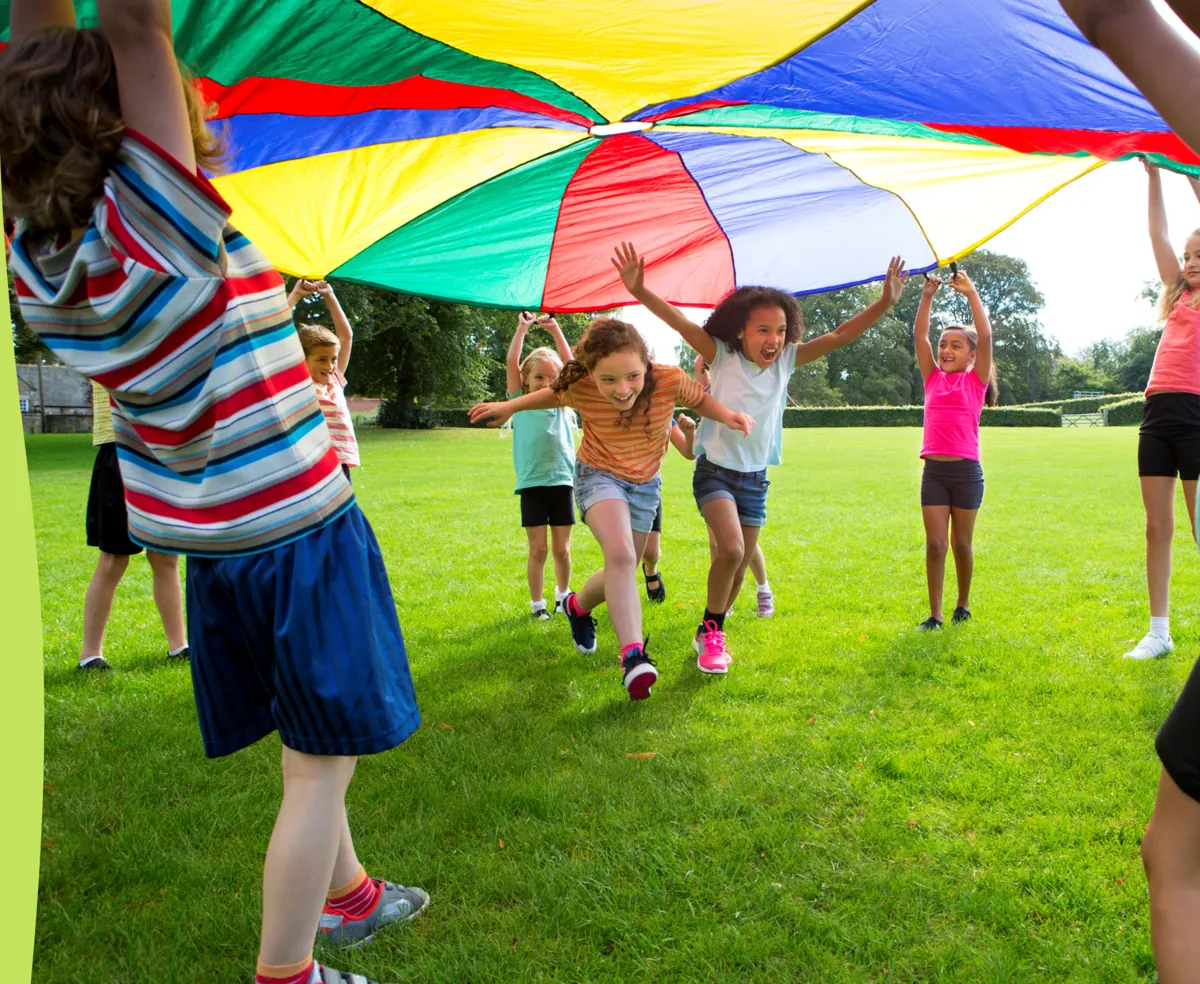
Building Skills for Friendships, Learning and Emotional Wellbeing
Social and emotional skills help children make friends, feel confident, and cope with everyday challenges.
With the right support, these skills can be developed and strengthened over time.
Our Group Programs
Secret Agent Society


Who?
Children aged 8 – 12 years

When?
Saturday, Thursday After School

Where?
- 97 Springvale Road, Nunawading, VIC 3115
- Narre Warren (Coming Soon)

How?
Enquire today to discuss enrolment options for your child!
Westmead Feelings Program

Who?
Children aged 6 – 12 years
When?
Saturdays
Where?
- 97 Springvale Road, Nunawading, VIC 3115
How?
Enquire today to discuss enrolment options for your child!
PEERS for Pre-schoolers

Who?
Children aged 4 – 6 years
When?
Saturdays
Where?
- 97 Springvale Road, Nunawading, VIC 3115
How?
Enquire today to discuss enrolment options for your child!
Friends & Feelings
Who?
Children aged 6 – 12 years
When?
Saturdays
Where?
- 97 Springvale Road, Nunawading, VIC 3115
How?
Enquire today to discuss enrolment options for your child!
Enrolment Process
As parents ourselves, we know how busy life gets. That is why we have made our group enrolment process as quick, simple and transparent as possible. To reduce uncertainty and ensure you are supported through the enrolment process, we provide a personal, free phone call to discuss your child’s needs, and try our best to answer any questions. Our three-step enrolment process is outlined below:

Complete our short ‘Register Interest’ form
Let us know your group, date and time preferences, as well as the best way for us to contact you.

Set up a phone call
Either Sonia or Melinda will contact you within the next 48 hours to set up a phone call (no charge).

Discuss enrolment
During the phone call, we will discuss your child’s individual needs, and try to answer any questions you have. Based on the information provided, we will talk through suitable options and next steps.
About Social Skills Melbourne
Strengthening emotional regulation and social skills
We are a team of Clinical Psychologists who facilitate evidence-based social skills groups designed to help neurodiverse children build skills in making friends, regulating strong emotions, recognizing non-verbal body language and adapting to change.
Decades of psychological research indicates that neurodiverse children can develop social skills and excel through carefully facilitated social skills groups. Through scaffolded social interaction, children can learn to read the emotions of others, and regulate emotions within themselves. The group environment allows this process to happen in an enriched way.
Participation in social skills groups can be a great way to equip your child with the socio-emotional skills they need to navigate life’s challenges and excel through their development.
What are social
and emotional skills?
Like all skillsets, social and emotional skills are developed through practice, and allow your child to participate and thrive throughout life. School and classroom settings typically focus on teaching academic and practical skills, whilst social and emotional learning is left to lunchtime and recess. Whilst some kids learn social and emotional skills in unstructured contexts, others benefit from learning these skills is structured, group environments – that’s where social skills groups come in.
Social Skills

Perspective Taking
Perspective taking involves “stepping into someone’s shoes”, or understanding how another person might be thinking and feeling in a certain situation. Being able to recognise that everyone has their own feelings and reactions to a certain situation is foundational to social effectiveness.
Our social skills programs develop perspective taking through group discussion about how others might feel, and how to detect the feelings of others.

Verbal Communication
With strong verbal communication skills, kids can engage in meaningful, enjoyable conversations with peers. Verbal communication involves both active listening and verbal expression.
Our social skills target verbal communication and conversation skills through the use of role play demonstrations and activities.

Non-Verbal Communication
Non-verbal communication involves “reading between the lines” during a social interaction. Body language, facial expressions and tone of voice all contribute to non-verbal communication.
Our social skills groups teach children how to detect non-verbal communication through various group activities.

Assertiveness and Respect
Assertiveness is a communication style that can be used to express thoughts, feelings and needs in a direct, honest and respectful manner. It is important for kids to develop boundary setting skills and to learn how to recognise and respect the boundaries of others.
Our social skills programs build assertiveness and confidence in kids through role play activities and group discussions.

Social Problem Solving
Throughout both childhood and life, we all encounter social problems, where multiple people’s needs clash, or disagreements emerge.
Our social skills programs teach kids to engage with social problems in a constructive, effective manner.
Emotional Skills

Relaxation Techniques
The experience of anxiety, arousal, and stress can lead to behavioural and emotional dysregulation. Our social skills programs teach relaxation techniques that help children calm their bodies and minds during times of overwhelm and frustration, leading to more positive behaviour and decision making.
Emotional Regulation
Our everyday experience is characterised by various levels of alertness and emotions; from moments of calm relaxation to intense excitement to anger and frustration, a child’s day can be filled with a range of emotions and alertness levels. By developing children’s ability to recognise what emotional zone they are in, our social skills programs help them regulate emotions and behaviour effectively.

Coping with Change
Many children find it difficult to cope with change, especially when unexpected or consequential. However, change is inevitable throughout life and therefore our social skills groups teach children how to manage the difficult emotions that often arise in response to change.

Identifying Emotions
Many children, especially those who are neurodivergent or on the autism spectrum, find it difficult to identify and understand their own emotions. To execute helpful regulation strategies, an individual first needs to recognise when such strategies are necessary.
Through focused education on the main types of emotion, and how to recognise their presence in both the self and others, our social skills programs help children learn to identify and connect with their emotions as they arise throughout life.

Helpful Thoughts
Helpful thoughts are flexible, balanced ways of thinking about a situation that might otherwise be perceived as distressing or negative. Teaching children how to think about social and emotional challenges they encounter in a constructive and positive way allows them to cope with obstacles and challenges encountered throughout life.
Curious about our social skills programs?
Register interest in our form and we will contact you shortly.
Other Clinical Services
The core purpose of Social Skills Melbourne is to deliver evidence based social skills group programs to neurodivergent children aged between 4 to 12 years. However, as clinical psychologists, we also provide one-on-one individual therapy to children, young adolescents and parents, as well as cognitive assessments and reports for ADHD, Autism, Specific Learning Disorders and Intellectual Disability.
Who We Are
Social Skills Melbourne is a dedicated psychology service specialising in social-emotional learning programs for children.
Our facilitators, Sonia and Melinda, are experienced Clinical Psychologists who bring warmth, expertise, and evidence-based practice to every session.
We make sure to:
- Offer small group sizes for personalised attention
- Deliver programs by qualified clinicians with program-specific certification
- Operate in convenient locations like Melbourne’s eastern and south-eastern suburbs
- Collaborate closely with schools and families to ensure progress across settings
- Enable participants to use NDIS funding to access the program where possible
We are passionate about helping every child feel capable, connected, and confident.